
Breaking Wind
- Kate Slatter
- Mar 24, 2025
- 3 min read
Let’s face it, farting is a universal experience—one we might giggle at, grimace over, or try to discreetly ignore. But have you ever wondered what your flatulence might reveal about your health or even the planet? From human digestion to the methane-laden emissions of cows, there’s much more to gas than meets the… ear.

Let’s explore this intriguing topic, exploring what causes gas, what it tells us about our digestive health and the surprising connection to environmental sustainability.
The Science of Farting (Humans)
Farting, or flatulence, happens when gas builds up in the digestive system. This gas is made up of nitrogen, oxygen, methane, and carbon dioxide, among others. It’s not just the food you eat that causes it—your gut bacteria play a starring role.
Certain foods are well-known culprits for triggering gas. Think beans, cruciferous vegetables (like broccoli and cabbage), and carbonated drinks. These foods contain compounds that gut bacteria ferment, releasing gas as a byproduct. Other times, gas can be a sign of digestive imbalances, like lactose intolerance or irritable bowel syndrome (IBS).
But here’s the thing: while a little gas is completely normal, excessive flatulence might indicate that your gut needs some extra care. Eating slowly, staying hydrated, and consuming a diet rich in fibre and probiotics can help balance your gut bacteria and reduce gas.
The Science of Farting (Cows)
Humans aren’t the only ones producing gas. Cows are infamous for their methane emissions, a potent greenhouse gas. This happens because cows are ruminants, meaning they have a multi-chambered stomach designed to break down fibrous plants through fermentation—a process that releases methane.
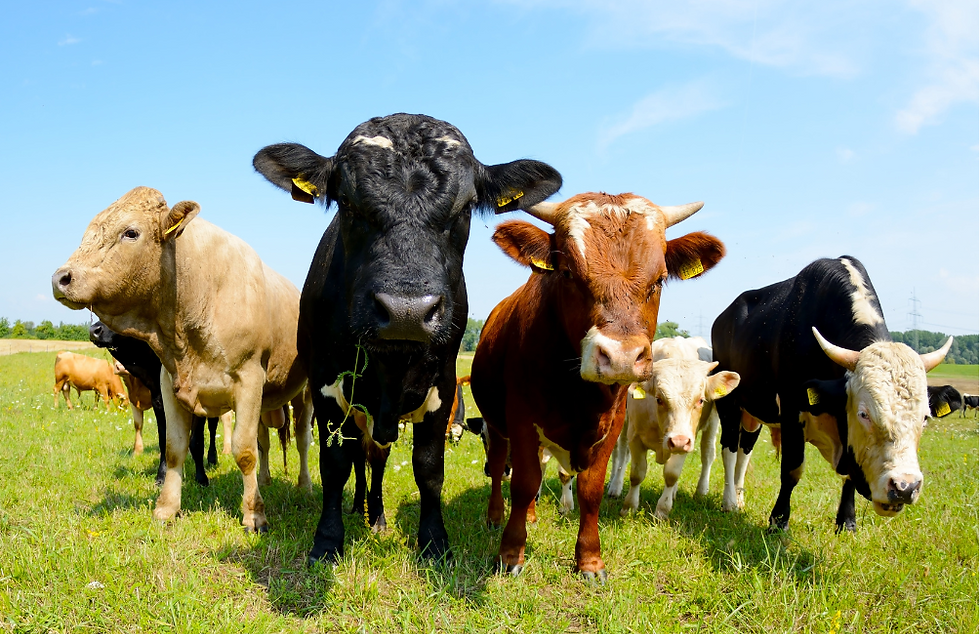
Interestingly, how cows are fed significantly impacts their methane output. Grain-fed cows in commercial feedlots tend to produce more methane compared to their grass-fed counterparts. Why? Grains are harder for cows to digest, leading to more fermentation and gas. On the other hand, cows grazing on natural grasslands have a diet better suited to their digestive systems, resulting in less methane.

This aligns with insights from farming experts who study the effects of methane emissions. When cows consume grains—which they aren’t naturally evolved to eat—it creates a digestive mismatch, leading to more methane production. In contrast, grazing on natural pastures not only reduces emissions but supports healthier soil ecosystems. These nuances highlight how farming processes and feeding practices directly influence the environment.
What Can We Learn?
Digestive Health for Humans
Your digestion has a lot in common with that of a cow. When we eat foods that our bodies struggle to break down—like highly processed meals or excessive sugars—our gut bacteria work overtime, creating more gas. A balanced, whole-foods diet can make digestion smoother and reduce bloating and flatulence.
Some tips for a happy, less-gassy gut include:
Eating slowly to avoid swallowing excess air.
Incorporating prebiotic and probiotic foods to nourish gut bacteria.
Drinking plenty of water to support digestion.
Sustainability for the Planet
Just as our food choices impact our bodies, they also affect the environment. Supporting sustainable agricultural practices, such as grass-fed farming or regenerative agriculture, can help reduce methane emissions from livestock. Alternatively, incorporating more plant-based meals into your diet is a great way to minimise your environmental footprint.
Small changes, like reducing food waste, can also make a big difference. When organic waste breaks down in landfills, it emits methane—so composting and mindful meal planning can benefit both your home and the planet.
The Takeaway
Whether we’re talking about personal health or environmental sustainability, there’s a lot to learn from flatulence. For humans, it’s a clue about what’s happening in our guts. For the planet, it’s a reminder of how our food systems impact greenhouse gas emissions.
So next time you hear a toot, consider it a gentle nudge to think about what’s on your plate and how it’s affecting your health and the world around you. A little awareness can go a long way in reducing discomfort—for both you and the planet!

Let's give some love to our gut!


Comments