
Is Your Smoothie as Healthy as You Think?
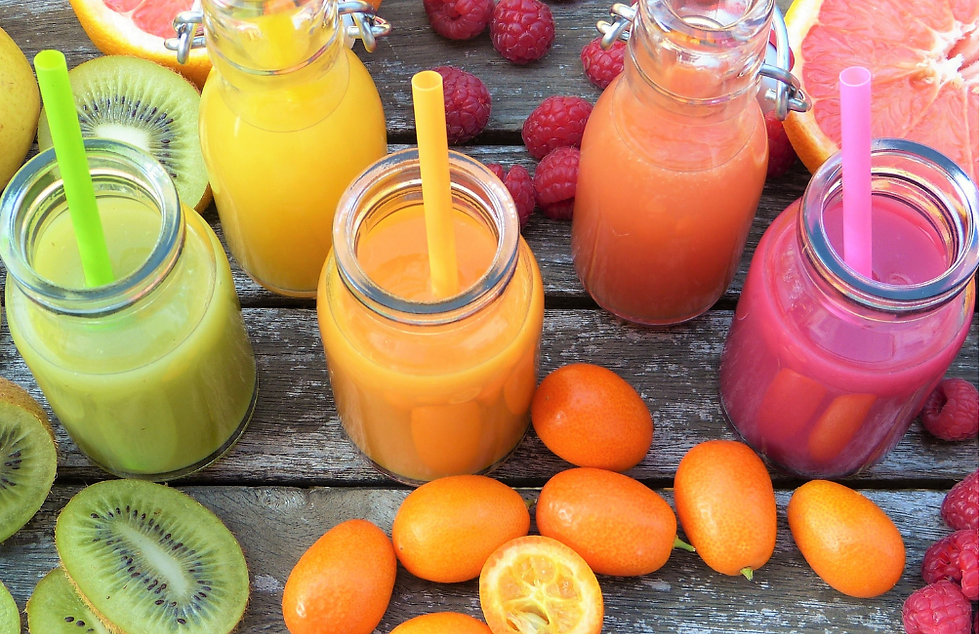
Smoothie bowls, green juices, fruit blends… they’ve become the poster children of health and wellness. And sure, they’re prettier than a packet of crisps, but are they doing your body good?
Here’s the truth: when it comes to fruit, how you eat it makes a big difference. That morning blend of banana, berries and mango might look vibrant and nourishing, but it could be quietly causing blood sugar chaos. Let’s dive into why.
Whole fruit: nature’s original health food
Fruit in its natural state is beautifully balanced. It gives us:
Fibre to slow sugar absorption
Water for hydration
Natural sweetness in just the right dose
Vitamins, minerals and antioxidants that love your cells
When you eat whole fruit, chewing it, savouring it, you’re giving your body time to register fullness. Fibre feeds your gut, slows down digestion, and helps prevent blood sugar spikes. It’s the perfect package and one of the cornerstones of nutritional therapy.

What goes wrong when we blend fruit
Blending disrupts the natural fibre matrix. That’s the magic web of soluble and insoluble fibre that slows how quickly sugar gets absorbed into your bloodstream.
Dr. Robert Lustig, a leading expert in nutrition science and metabolic health, puts it simply: A smoothie isn’t the same as fruit. Once you blend it, you’re basically drinking a fast-absorbing sugar bomb.
He explains that blending shears the fibre so finely that it can’t form that lattice that normally slows down sugar absorption. The result? Sugar floods your system, insulin rises, and over time, this can lead to increased fat storage, especially in the liver

But isn’t fruit sugar natural? Yes, and that’s part of the problem. Fructose (the main sugar in fruit) is only processed by the liver. In small amounts, it’s fine. But in high, concentrated doses (like what you get from smoothies or fruit juices), it can overwhelm the liver and lead to metabolic issues, something many nutritional therapists see in clinic regularly.
Juicing is even worse, juicing removes the fibre entirely. What’s left is essentially fruit-flavoured sugar water. Even if it's labelled “cold-pressed” or “raw,” it’s still missing the key protective element: fibre.
What to do instead
Choose whole fruit over juices and smoothies
If you do blend, add a protein or healthy fat to slow absorption (like chia seeds, nut butter, or kefir)
Treat smoothies as an occasional snack, not a daily staple
Consider blending veg-first smoothies instead of fruit-heavy ones
How to tune in to your body
Notice how you feel after drinking a smoothie:
Do you feel full or still peckish?
Do you crash an hour later?
Are you hungrier sooner than if you’d had whole food?
These are all signs that your blood sugar might be peaking and crashing. As someone who takes a personalised nutrition approach, I encourage you to tune in, your body’s feedback is one of your greatest tools for health.
The bottom line
Fruit is good for you. Whole fruit, that is. Smoothies and juices? They’re easy to overdo and can mess with your blood sugar more than you think. If you want energy that lasts, balanced moods, and fewer ‘hangry’ crashes, keep it simple. Peel, bite, chew, and enjoy your fruit the way nature intended.
Curious about what’s really going on with your energy, cravings or gut health? As a Registered Nutritional Therapist and Functional Medicine Certified Health Coach, I take a personalised nutrition approach that’s rooted in science, not fads. Whether you’re navigating blood sugar dips, training for performance, or just trying to eat smarter, our one-to-one nutritional consultation sessions can help.
Book your free 30-minute Health & Energy Review today. Book here or email me at hello@kateslatter.com


Comments