
Do I Need to Soak My Nuts (and Seeds)?
Soaking seeds and nuts is an essential step to unlocking their full nutritional potential. As someone who loves having a handful of nuts or seeds as part of breakfast or as a snack, I'm always looking to get the most out of these nutrient-packed foods. Many seeds and nuts contain compounds like enzyme inhibitors and phytic acid, which can make them harder to digest and reduce the absorption of vital minerals like zinc, magnesium, and iron.
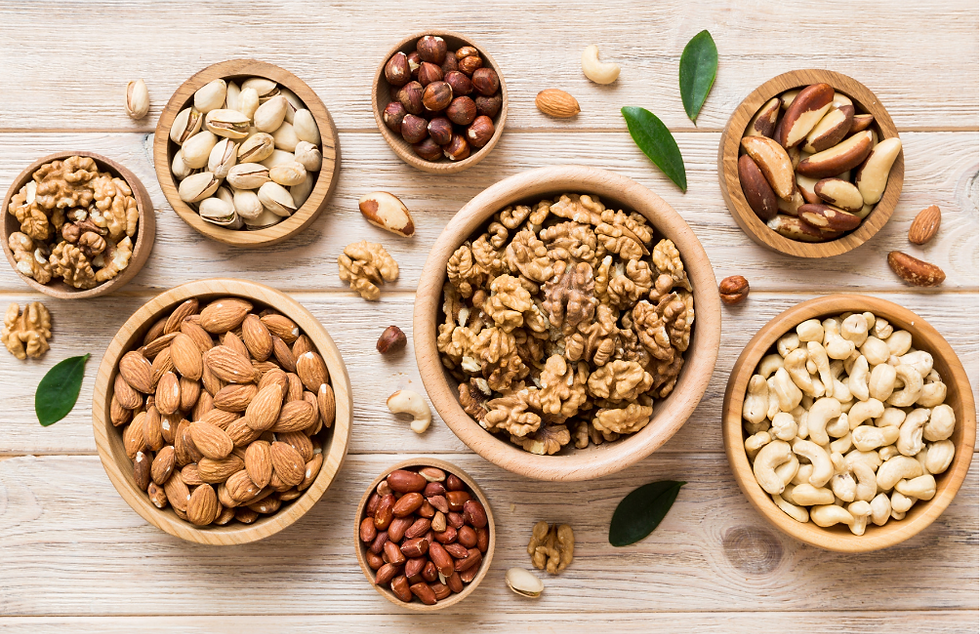
Studies show that soaking helps neutralise these compounds, making the nutrients in seeds and nuts more accessible to your body. This simple process improves the bioavailability of vitamins and minerals, ensuring you're truly accessing all the goodness they have to offer.
General Soaking Guidelines:
Use Filtered Water: Always soak seeds and nuts in clean, filtered water to avoid impurities found in tap water.
Add Salt (Optional): A pinch of sea salt can help break down the enzyme inhibitors and enhance the flavour of your soaked seeds and nuts.
Choose the Right Time: Soaking times can vary depending on the type of seed or nut.
Here's a simple guide to some of my top nuts and seeds that I soak regularly:
Seed/Nut | Soaking Time | Notes |
Almonds | 12-14 hrs | Rinse thoroughly to remove skin if desired |
Walnuts | 8 hrs | Soak briefly to avoid bitterness |
Pumpkin Seeds | 8-12 hrs | Great for snacking once soaked |
Sunflower Seeds | 8-12hrs | Soak overnight for best results |
Chia Seeds | 4-6 hrs | Can be soaked in water, juice or dairy – for a great breakfast treat |
Flax Seeds | 6-8 hrs | Helpful for digestion when soaked |
Note: Flax seeds and Chia seeds form a gel when soaked and are best used straight after soaking.

Once soaked, seeds and nuts are great to eat straight away – whether you add them to salads, breakfast bowls, or smoothies. You can dehydrate some seeds and nuts (excluding flax and chia seeds) to extend shelf life, and personally, I love the crispiness they take on once dried!
Drying After Soaking
Rinse Thoroughly: After soaking, rinse your seeds and nuts under cold water to remove any residual enzyme inhibitors.
Pat Dry (Optional): Use a clean towel to pat them dry, which will help speed up the drying process.
Use a Dehydrator or Oven:
Dehydrator: Spread the soaked seeds and nuts in a single layer on dehydrator trays. Dry at 45-50°C (115-120°F) for 12-24 hours, until fully dry and crisp.
Oven: If using an oven, set it to the lowest temperature (usually 50-70°C or 120-150°F). Keep the oven door slightly ajar to allow moisture to escape. Dry for 8-12 hours.
Check for Crispness: Make sure the seeds and nuts are completely dry before storing them to prevent spoilage.
Cool and Store: Let them cool before transferring to an airtight container. Store in a cool, dry place, or freeze them for longer shelf life.
Tips for Success
Experiment with Flavours: Once soaked, try tossing your seeds and nuts in spices or seasonings like cinnamon, tamari, or smoked paprika for an extra flavour boost.
Avoid Over-Soaking: Soaking for too long can cause seeds and nuts to ferment, resulting in a sour taste and smell.
Use Fresh Ingredients: Always start with fresh seeds and nuts, as older ones may not soak as well or provide the same texture and flavour.
By incorporating soaking into your routine, you'll be ensuring that you're getting the maximum nutritional benefit from your seeds and nuts, unlocking all the vitamins, minerals, and healthy fats they offer.
Soaking is a game-changer for me and makes these tasty little bites of nutrition even better! It’s amazing how something as simple as a handful of nuts or seeds, when properly soaked, can be a powerhouse of nutrients. Give it a try – your body will thank you for it!
NB: Be cautious when handling nuts and seeds – ensure they are stored in a clean, dry environment to avoid contamination and unwanted bacteria or mould. Proper storage is key to keeping your soaked and dried seeds and nuts fresh and safe.


Comments