
CGM: To Wear or Not to Wear – What’s It All About?
Updated: Feb 26
When I strapped on a Continuous Glucose Monitor (CGM), I wasn’t sure what to expect. Would I uncover blood sugar spikes that sent me on a path to dietary doom? Or would my body reveal itself as the unsung hero of balance? Spoiler alert: the results were fascinating—and a little unexpected.

My CGM Story: Food, Stress, and Surprises
As a self-proclaimed experimenter, I went all in. Pasta? Check. Wine? Yep. Ice cream? Absolutely (and maybe twice). To my surprise, my blood sugar didn’t skyrocket. While food made some shifts, they weren’t significant. My pancreas must have been working overtime, it seems, to keep me steady.
But then came the plot twist: stress. I had a deadline and presentation and the stress made my blood sugar numbers change a lot more. I know stress can impact blood sugar balance, I just hadn’t expected to see it and appreciate just how much your mind and emotions can impact your body. Stress, it seems, on this occasion was my biggest blood sugar disruptor and what it highlighted to me is how different we all are as to what are our triggers.
What is the Blood Sugar Roller Coaster?
Imagine this: you eat something sweet, and your blood sugar zooms up like a roller coaster climbing a steep hill. Then your body sends out insulin to bring it down—fast. You’re plummeting toward the ground, and suddenly, you’re hungry, tired, or irritable. Cue cravings, another quick fix, and you’re back at the top of the ride. Exhausting, right?
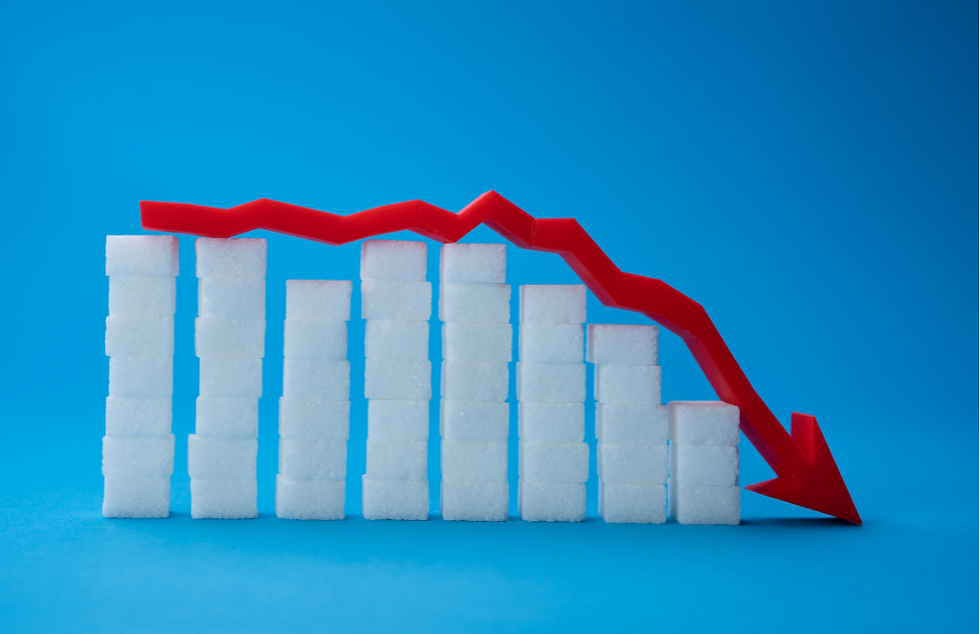
This constant up-and-down can leave you feeling sluggish and can strain your body over time. So what do we ultimately want is a smooth steady ride—where your blood sugar hums along smoothly with no major ups and downs.
Blood Sugar 101: Tips for Staying Balanced
If you want to avoid the highs and lows, here are some simple ways to smooth out the ride:
Prioritise Protein and Healthy Fats - these slow down the absorption of sugar into your bloodstream, keeping you fuller for longer and your blood sugar steady.
Pair Carbs with Fibre - fibre acts like a bouncer at the blood sugar nightclub, slowing the entry of glucose into your system. Think whole grains, beans, and veggies.
Snack Smart - avoid sugary snacks that give you a quick high but leave you crashing later. Opt for a handful of nuts, Greek yoghurt, or veggie sticks with hummus.
Move After Meals - a brisk walk after eating can help your muscles soak up some of that glucose, preventing spikes.
Manage Stress - easier said than done, I know. But stress management techniques like deep breathing, meditation, or even a good laugh can work wonders for your blood sugar.
Don’t Skip Meals - long gaps between meals can lead to a blood sugar dip, leaving you ravenous and more likely to overeat.
Hydrate - sometimes, thirst masquerades as hunger. Stay hydrated to keep your body functioning optimally.
Will I Test Again?
Absolutely. Our bodies are incredible, but they’re also dynamic. What’s true for me today might not be the case next year. Whether it’s the impact of food, stress, or lifestyle changes, I’m curious to see how my body reacts and how I can stay more on that smooth ride.
So, should you try a CGM? If you’re curious about your body’s unique rhythm, it’s worth it—even for a short time. Whether you discover surprising triggers or gain a new appreciation for your hardworking pancreas, the insights can be life-changing.
If you want to know more about how your energy dips, cravings and moods can be tied to your blood sugar, then reach out; as always, I am happy to help support you in your journey to health and well-being. www.kateslatter.com.


Comments